• RSS
  • Delicious
  • Digg
  • Facebook
  • Twitter
  • Linkedin
  • Green Idea 1 : ' Find your nearest Farmer's Market and go there this weekend with friends...
  • Green Idea 2 : ' Swap your old incandescent bulbs for CFLs when they burn out and start saving $$$
  • Green Idea 3 : ' Try using your bike this weekend instead of your car...
  • Green Idea 4 : ' This Spring why not plant a small kitchen garden of tomatoes and peppers on your balcony or patio?
  • Green Idea 5 : ' What are you waiting for? Make the change today!
  • SUSTAINABLE DESIGN

    The basic objectives of sustainability are to reduce consumption of non-renewable resources, minimize waste, and create healthy, productive environments.

  • URBAN GARDENING

    You can grow your own food whether you live on a rural farm or in a tiny urban apartment. Urban gardening is all about using space wisely to regain a closer connection with your food and beautify your home or neighborhood.

  • RENEWABLE ENERGY

    Explore energy resources, such as wind, solar, hydroelectric, biomass, geothermal, ocean thermal, and wave power, that replenish themselves within a short period.

  • LOCAL FARMERS MARKETS

    Locating the Farmers' Market nearest to you is now only a few clicks away. Localharvest.org is a useful and straight-forward site designed to faciliate your quest.

Showing posts with label Cooking. Show all posts

Wednesday

Fall Slideshow: Urban Garden Project

Posted by vergelimbo On 6:30 PM


2009 was The Year of Rain at The Urban Garden Project. Whereas last year I needed to water the garden to stave off the flaccid, victorian death scenes my plants staged for me on a daily basis, in 2009, my garden was upright, lush and green - with little or no watering. Ironically, Tim and I began work on a rain collection system, with drip hoses and twin 40 gallon tanks. The rain catcher system is currently sitting in parts in the corner of my shop. I have just finished another big design/build project for Dewey's Bakery and Cafe, so I might have some free time to piece my rain catcher together so that it is up and "catching" for Spring.

The Fall/Winter plants are in, and the peppers, eggplant, and mixed lettuce are still going strong. It is November 4th, and 60 degrees. I am about to harvest some Bok Choy and Peppers, so I went looking for a Bok Choy soup recipe and found this:

BOK CHOY IN COCONUT MILK
Prep time: 10 min | Cooking time: 15 min | Serves: 2

1 big bunch bok choy, leaves and stems roughly chopped
1 small onion, sliced
1 tsp garlic, minced
1 tbsp Sambal Olek/red chilli paste
2 cups coconut milk
salt, to taste

ADD onions, bok choy stems, garlic and chilli paste to coconut milk in a deep pan, and let it come to a boil over medium-heat. Stir ocassionally to allow garlic and chilli paste to blend well with the coconut milk.

ADD bok choy leaves, season with salt, and turn off the heat. Cover the pan and let it sit for a few minutes till the leaves begin to wilt.

Recipe Hookup: hookedonheat.com


This simple soup looks so delicious! Do you have any favorite soup recipes to share? Leave me a comment or recipe by clicking on comments below:

The Whole Foods boycott

Posted by vergelimbo On 8:34 PM

If one needed another reason to continue boycotting Whole Foods, their CEO, John Mackey has given me one. See the article below for the groundswell...32000 facebook members have decided to stop spending their hard earned money there and I'm pleased to learn that facebook has a use beyond alerting me to birthdays.
I say: F**k Whole Paycheck and their $8 arugula that was monocultured on industrial farms 1500 miles away and shipped in plastic bags. Buy Local Food...or grow your own. It is fresher, cheaper, will stimulate the local economy and build community. Find your nearest farmers' market here: http://localharvest.org


Whole Foods boycott/buycott showdown

Dante Chinni
The Christian Science Monitor: 09.02.2009

There are many commandments in retail, but above them all is one rule: Know thy customer.

If you run Wal-Mart, don’t stock Louis Vuitton – or at least not real Louis Vuitton. If you work at Toys ‘R’ Us, where some shoppers are kids, watch your language. And if you are the CEO of relentlessly progressive Whole Foods, the upscale grocery store that specializes in organic items, don’t come out against the Obama administration’s healthcare proposals.

On Aug. 11, John Mackey, the chairman and CEO of Whole Foods, did just that. In a Wall Street Journal op-ed headlined “The Whole Foods Alternative to ObamaCare,” Mr. Mackey said a number of things that might not sit well with his clientele – perhaps most memorably, “the last thing our country needs is a massive new health-care entitlement that will create hundreds of billions of dollars of new unfunded deficits and move us much closer to a government takeover of our health-care system.”

Mackey later said he was speaking for himself and not for his chain of stores, but the damage had been done. Whole Foods foodies went to the barricades, kind of. Customers pledged to stop shopping at the stores. They urged the TV show “Top Chef” to drop Whole Foods as a sponsor. And in typical 2009 fashion, they expressed their outrage on Facebook, creating a “Boycott Whole Foods” page, which has more than 32,000 members.

Read the full article here

Friday

Urban Garden Project Recipe: True Peasant Pesto

Posted by vergelimbo On 9:56 PM

Roughly, To Taste and Texture, Combine:

Basil Leaves - 8 cups of leaves

Olive Oil - 1 half cup
Pine Nuts- 1 half cup
Garlic - 1 full bulb
Parmesan - 1 cup
Mint - 8 sprigs [leaves only]
Parsley - 4 sprigs
Anchovies - 1 small can
Nutmeg - 3 pinches
Balsamic Vinegar 2 Tbsps
Salt and Pepper

In a food processor, combine Olive Oil, Pine Nuts, Garlic, Anchovies
PULSE until coarsely chopped.
Gradually add Basil, Parsley, Mint until mixed [do not puree]
Add Parmesan, Nutmeg, Mint, Salt and Pepper

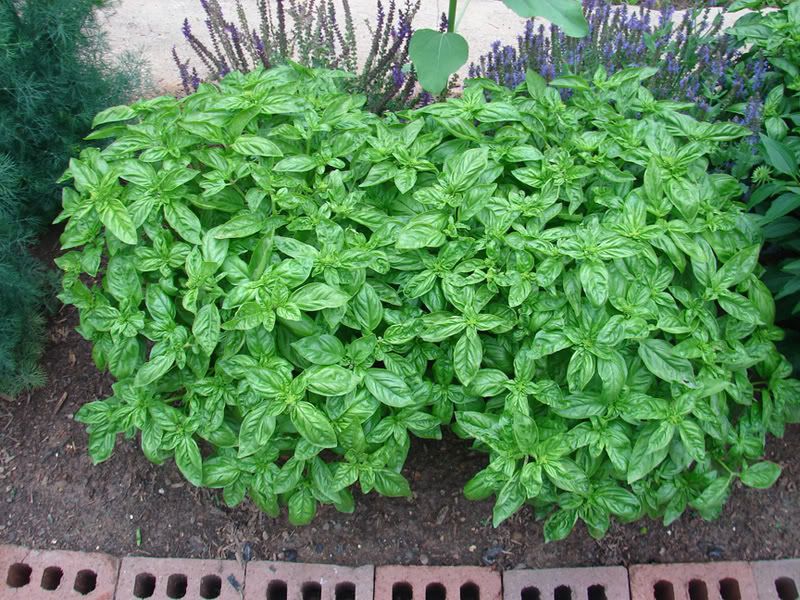
This once-secret recipe for "Urban Peasant Pesto" was passed to me by two men named John. The pesto is worth it's weight in gold. To make the 5.75 pounds of pesto pictured above I picked a well stuffed grocery bag of basil leaves from my Urban Garden Project. They have since grown back and I am almost ready to pick again. [See Photo]

Walnut Variation: Lately the price of Pinenuts (pignolias) has gone through the roof... Walnuts are a tastey and more affordable alternative. I actually prefer the "Walnut Variation". Also in lieu of olive oil try using walnut oil. Your palate will be pleasantly surprised, and your wallet will suffer less.

Share your favorite Garden Recipe or comment by clicking below

The Evolution of Food: From Mother Nature to the Mad Scientist... and back again?

Posted by vergelimbo On 1:52 PM

The history of humankind's relationship with food, both cultivation and consumption, is exceedingly complex and an interesting indicator of societal trends that go well beyond the kitchen table. One phenomenon that has caught our attention recently is the increased promotion of "natural", unadulterated products. This trend is a relatively new, and applauded, break from the recent past.

In the 1950s, mass-produced food came to dominate the American market and resulted in a marked reduction in the nutritional quality of the food that the typical person ate. Food was refined and enhanced and frozen, concepts that imply through the suggestive language of marketing promises of progress and scientific advancement.


Food that had once been local, fresh and seasonal was now being centralised, treated and produced on ever-increasing scales. Nutritional content was lost in the name of convenience, variety and cost-efficiency, impacting taste and dietary norms and expectations.

The next stage in the contemporary development of food can be seen (cynically?) as a superficial profit-driven reaction to consumer demand rather than a real desire for healthier products. The exact same foods that had just had its nutritional content stripped from it by the refining, freezing and other methods associated with mass production was now being enriched and fortified. A further step was added to the ever-lengthening conveyer-belt between the food source and the consumer, which involved artificially reintroducing vitamins and minerals, although in significantly diluted and altered amounts. These modified products are then hawked to the unsuspecting buyer based on the premise of their "superior" nutritional value. The food industry has developed sophisticated marketing strategies with the goal to capitalise on the perception of “progress” and its associated benefits. The American public has been educated to think that “new is improved”, a premise that it also applies to food. How could enriched and fortified wheat bread not be healthier than a loaf untouched by the miracles of science?

Like with almost all relationships, things tend not to remain static and the modern consumer has now entered what could be considered a more enlightened era. Of course, it will take time for this new approach to filter down to the average Joe or Jill, but there is certainly movement in that direction. After decades of tampering and "improving" our food, from the staples through to the luxuries, there is a move back to nature and the natural.

Perhaps it was the nation-wide food scares that brought to light the dangers of mono-farming and how one source can contaminate the food chain of the whole continent (e.g., salmonella from tomatoes, E. coli from spinach, even lethal dog food)? Or maybe it is the speculation that the hormones and anti-biotics in industrially-produced animal and dairy products are affecting the health and development of our children? Whatever the reason, there is a palpable and growing movement towards natural, locally-grown organic food that is becoming increasingly main-stream.

What does this tell us about our relationship with food and, perhaps, with the food industry and its regulators? First, there is an increasingly aware and educated consumer, although one that remains to a large degree at the mercy of the marketing machine (and lobbyists) of the food industry. This problem is compounded by the inconsistency and laxity of the bodies that should be enforcing clarity and nutritional awareness (e.g., FDA, USDA, EPA). Second, for many consumers there is more willingness to sacrifice efficiency, and even cost, in the name of better health and nutrition, although this trend is certainly at its earliest stages (education, education, education).

Finally, as the local and organic movements move out of the ashrams and communes and expand into suburbia and, eventually, to urban centres, there is more acceptance and demand for good, healthy, untreated local food. Not to be forgotten, our collective palates will also thank us for the change back to food as nature intended.


Tuesday

Green Lentil Curry Soup

Posted by vergelimbo On 10:16 PM

1 lb green lentils
2 large onions
1 full bulb garlic
2 thumbs fresh ginger
1 bag baby carrots
1/4 bunch cilantro chopped
1 cup vegetable broth
1 can coconut milk
1/2 tsp cumin
salt pepper to taste


When I make soup, I usually follow the "Go Big or Go Home" Maxim. As a result, I have an unusual 2-pot technique. I simmer the lentils in a large cauldron-usually with some vegetable or chicken stock-until it is done. Simultaneously in a large frypan, I sautee all the vegetables, then add the coconut milk, stock, curry paste etc. When they are well blended, I pour these ingredients back into the massive pot, and simmer until done.
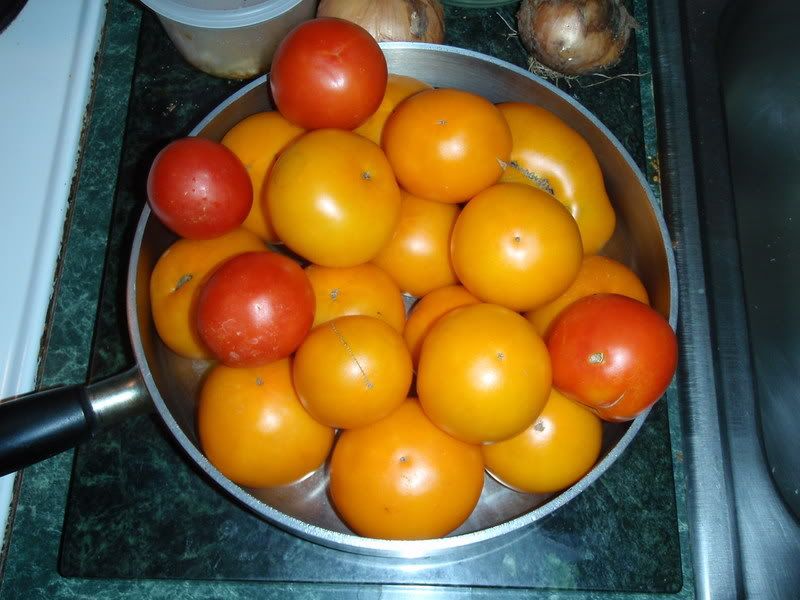
My "upsizing" has led me to start an ad hoc soup network whereby I deliver fresh soups to my friends and they, in turn, reciprocate. Another perk of making large batches is the benefit of "Aromatherapy" ... soup slowly simmering smells like home.

Urban Garden Project: Composting in the City

Posted by vergelimbo On 6:25 PM

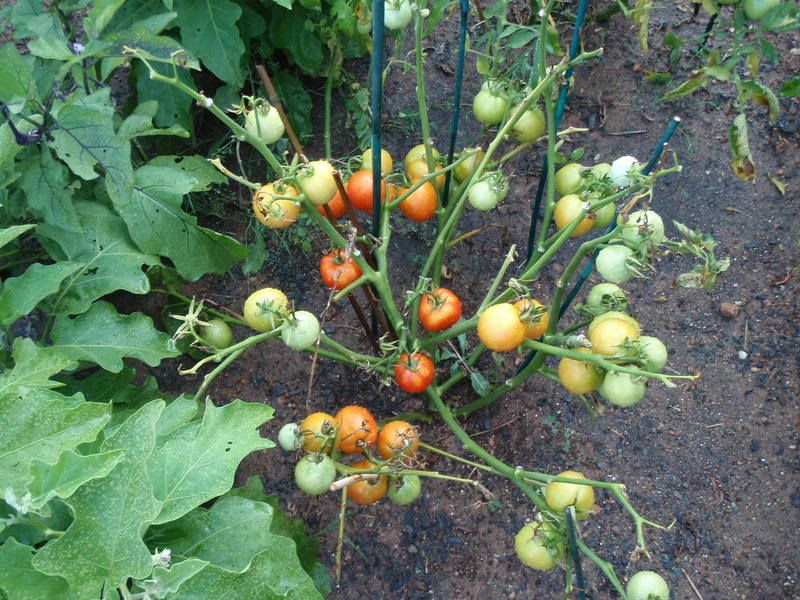
This year I had one tomato plant that yielded 52 baseball-sized tomatoes. That may sound unbelievable, but look. When I began the Urban Garden Project 3 years ago, my goal was simple: transform a patch of neglected and fallow urban land into a high-yielding garden. I chose to plant my favorite things, and also the most expensive vegetables: Organic Tomatoes, Bell Peppers, Eggplant, Tomatillos, Arugula, Beets and Melons will all put a small dent in your wallet if you buy them from your local farmer's market. If you opt to buy these vegetables at "Whole Paycheck" , you may need to consider refinancing your home.

With the economics of urban gardening in mind, I have tried to maximize the square footage yield of my garden. The highest yields per square foot include Arugula, Basil, Red Peppers and Heirloom Tomatoes. From year to year I have been fine-tuning the balance of vegetables, berries and fruit, and ever improving the quality of the soil. It is an ongoing project that saves me thousands of dollars a year, consumes a minor amount of time, and has absorbed a major amount of compost.

Compost is any organic matter allowed to biodegrade and then later added to your garden to enhance the soil's nutrients, micro-organisms and texture. Neighbors and friends have steadily contributed organic kitchen scraps, cuttings, and rotting veggie produce. The results have literally born fruit - and lots of it.

Alex and Steve: Compost Contributers to The Urban Garden

For the collection of compostible materials from neighbors and friends, I use your standard 5 gallon bucket [above] You can simply keep this in the kitchen and "feed" it kitchen scraps, much like a waste bin- but rather than being added to the mountainous accumulation of garbage we generate, it can be aggregated in a large compost pile (as I do) and later added to garden beds.

"Give and ye shall receive" is my motto when it comes to the vegetables and berries that come from the garden. Roughly 1500 square feet divided into 8 raised beds and thoughtfully planted yields far more than I can eat, so I have been supplying my hungry green friends with free vegetables like this:

Urban Garden "Horn Of Plenty" July 27, 2008

I stumbled across the Giving Garden idea when I received a delicious marinara sauce from my neighbors Steve and Alex. A few weeks earlier I had let them pick a bucket full of fresh veggies [see above] and low and behold in return I received 5 pounds of sauce which upon tasting, in a Proustian manner, I now refer to as "the marinara of my childhood".

The Marinara Sauce of Childhood

Shortly thereafter, my friend Zeke told me that if I gave her enough Blackberries I could get a delicious cobbler in return. Sadly, this cobbler was so good that I ate it all before I could take any photos! Hearing of my garden's generous bounty, Cameron "borrowed" some Golden Girl yellow tomatoes, and returned a
delicious smoky yellow tomato soup....and so on and so on...

Cameron's Roasted Chipotle Yellow Tomato Soup

Is there anything better than eating crisp vegetables, freshly made soups, sauces, gazpacho, pesto, chutneys, ratatouille, and berry cobblers? Perhaps, but only if you took the time and care to grow the ingredients yourself, and had the dishes prepared by talented friends. Thanks to everyone who helped promote and share in the idea of a Giving Garden.